
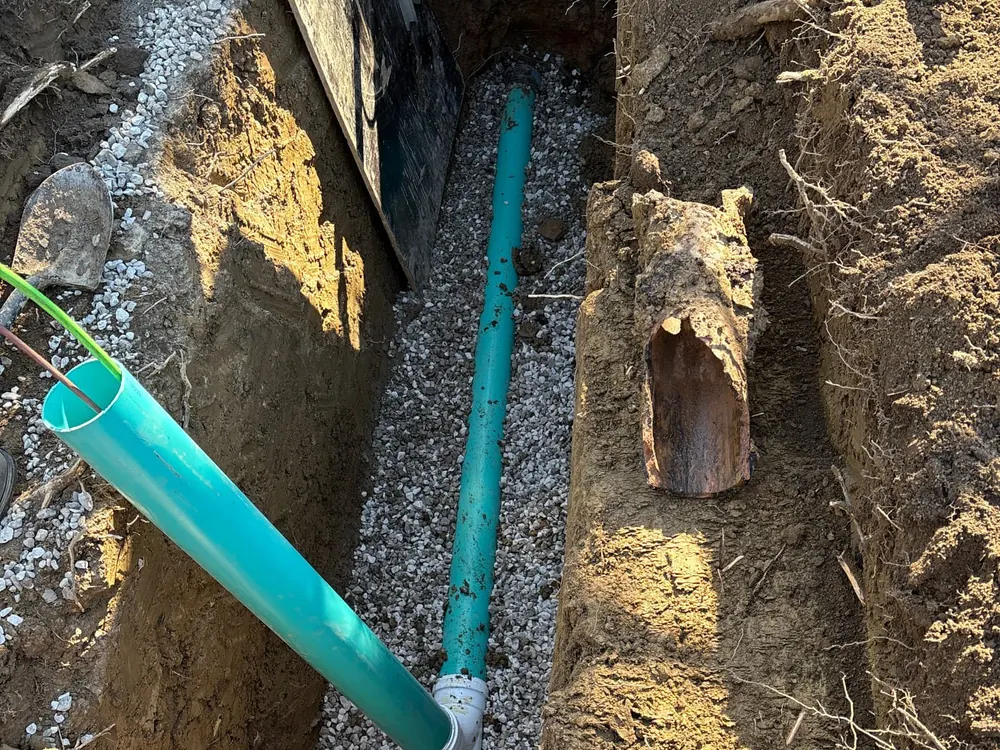
Septic Line Repair
We dig up broken, crushed, separated or root-filled septic lines and fix them. That covers the line from the house to the tank and the line out of it.
Learn More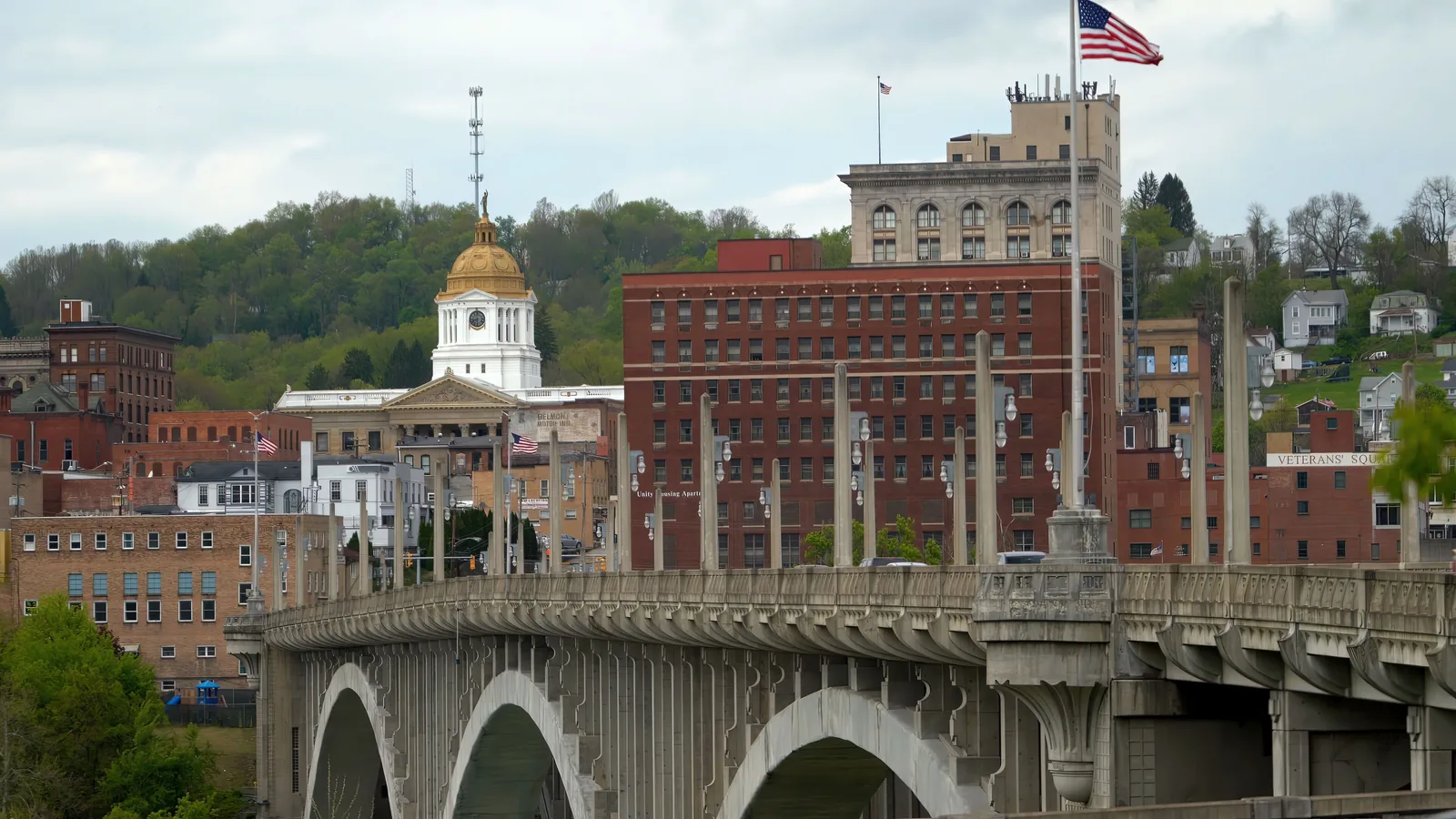
Most homes and shops inside Williamson are on public sewer. Past the city line, up the hollows and along the Tug Fork, many homes depend on a septic tank instead. Some of those tanks sit on steep ground, and some sit close to creeks that flood. When one fills up, sewage backs into the house or seeps up in the yard.
Honey Dippers offers septic tank pumping for homes and businesses, and Williamson is part of our service area. Roderfield sits at the center of that area, and US-52 connects it to Williamson, about 58 miles by road. We find the tank, dig down to a buried lid, pump it and close it back. Call or text (304) 436-3409 to set up septic tank pumping in Williamson.
Tell us about the septic tank, line or grease trap and where it is. We look at the job and put the quote in writing.
The Williamson Utility Board runs the city's water and sewer. The sewer carries waste to a city treatment plant beside the Tug Fork. That plant operates under a state discharge permit. Outside the city, the Mingo County Public Service District runs sewer in some areas.
On the state's utility map, about half the homes within two miles of the city sit outside any sewer area. A 2023 state study looked at the West Virginia side of the Tug Fork valley. It estimated about 13,500 homes near streams with no public sewer.
The study named failing septic systems and straight pipes as significant sources of bacteria there. West Virginia's 2024 water quality report lists the Tug Fork at Williamson as impaired by fecal coliform. Regular pumping removes the solids in a tank before they drift out and clog the drain field.
Williamson is the Mingo County seat, on the Tug Fork across from South Williamson, Kentucky. The 2020 Census counted 3,083 people in the city, and more of its homes were rented than owned. About half of the city's homes were built before 1950, by Census Bureau estimates.
Level ground is scarce here. The federal soil survey maps most of the ground under homes in and around town as fill and urban land. On that low ground, the survey lists flooding as the main limit for septic use.
The hillsides carry very steep, stony soils such as Matewan, on slopes of 35 to 80 percent. The survey rates them very limited for a septic drain field, with slope as the first reason. Matewan soils also hit hard sandstone bedrock about 32 to 40 inches down. West Virginia's design rules allow no soil absorption system on ground steeper than 25 percent.
That puts homes on the creek bottoms and the few level benches. Around the city, the typical home lot is about a quarter acre, by county tax records. On a tight lot, a regraded yard or a later addition can bury an old tank lid. Our tank locating and digging service finds the tank and digs down to the lid.
Williamson averages about 48 inches of rain and melted snow a year, by NOAA's averages for 1991 to 2020. The Tug Fork's highest crest on NOAA's record here came on April 5, 1977.
After the 1977 floods, Congress funded U.S. Army Corps of Engineers flood protection for Williamson and West Williamson. NOAA says the floodwall protects downtown up to a 63-foot river stage. By about 43 feet, many homes and businesses outside the walls are flooded.
On February 16, 2025, the river crested at 48.35 feet, second only to 1977. The Corps reported that its flood protection projects there performed as intended. The weather service said the damage on the West Virginia side fell mostly on homes outside the floodwall. A federal disaster declaration covered Mingo County.
EPA says most septic tanks come through a flood intact because they sit underground. They can still fill with silt and debris that need a professional cleaning. If the flood broke or shifted the line to the house, septic line repair comes next.
Restaurants on the city sewer still need grease traps. The Mingo County Health Department's rules call for them in kitchens at restaurants, hotels, hospitals and schools. The state rule puts an outside trap within 30 feet of the fixtures it serves.
That outside trap must hold at least 150 gallons. The rule also says its manhole must stay closed and secured, except for pumping or upkeep. Our grease trap cleaning follows the schedule each kitchen needs.
Outside the sewer, churches and rental properties on septic can set up pumping on a schedule too. Tell us the tank size if you know it, and where the lid sits.
Communities and areas we serve around Williamson: Downtown Williamson, West Williamson, East Williamson, Williamson Terrace, Fairview, Goodman, Chattaroy, Borderland, Nolan, Cinderella, Rawl, Sprigg.
Williamson ZIP codes served: 25661.
Williamson is part of our service area. Tell us about the job and we put the quote in writing.
(304) 436-3409 We dig up broken, crushed, separated or root-filled septic lines and fix them. That covers the line from the house to the tank and the line out of it.
Learn More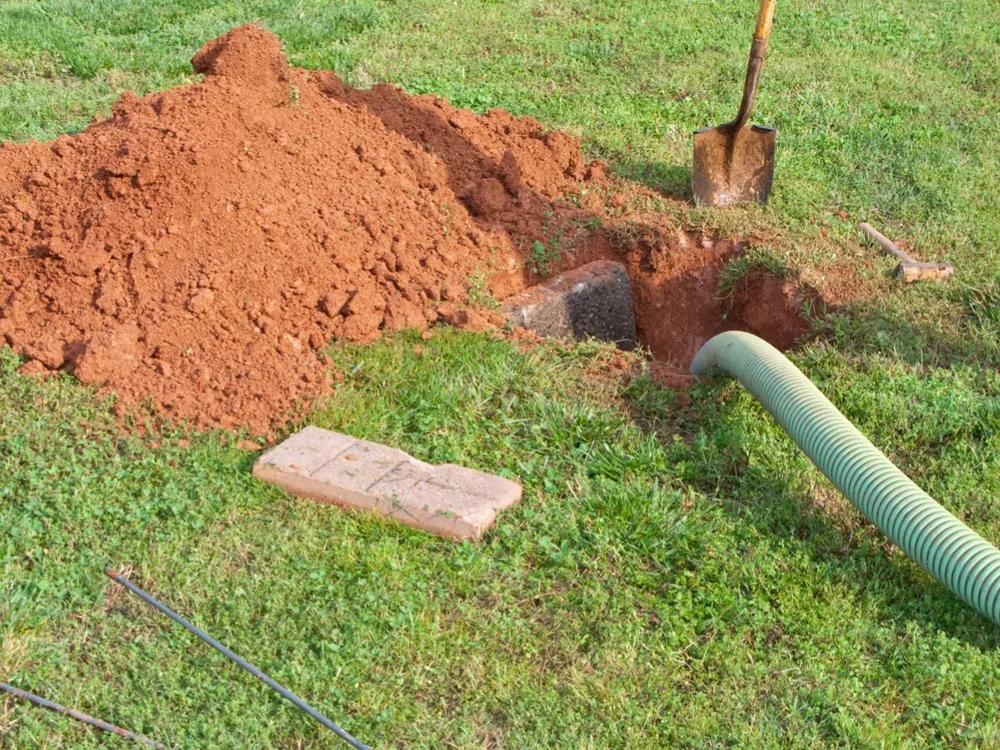
No locating or tracing equipment. We dig up the sewer line where it leaves the house and follow it out to the tank, then dig down to the lid. From there the tank can be pumped or the line repaired, and we close the hole back.
Learn More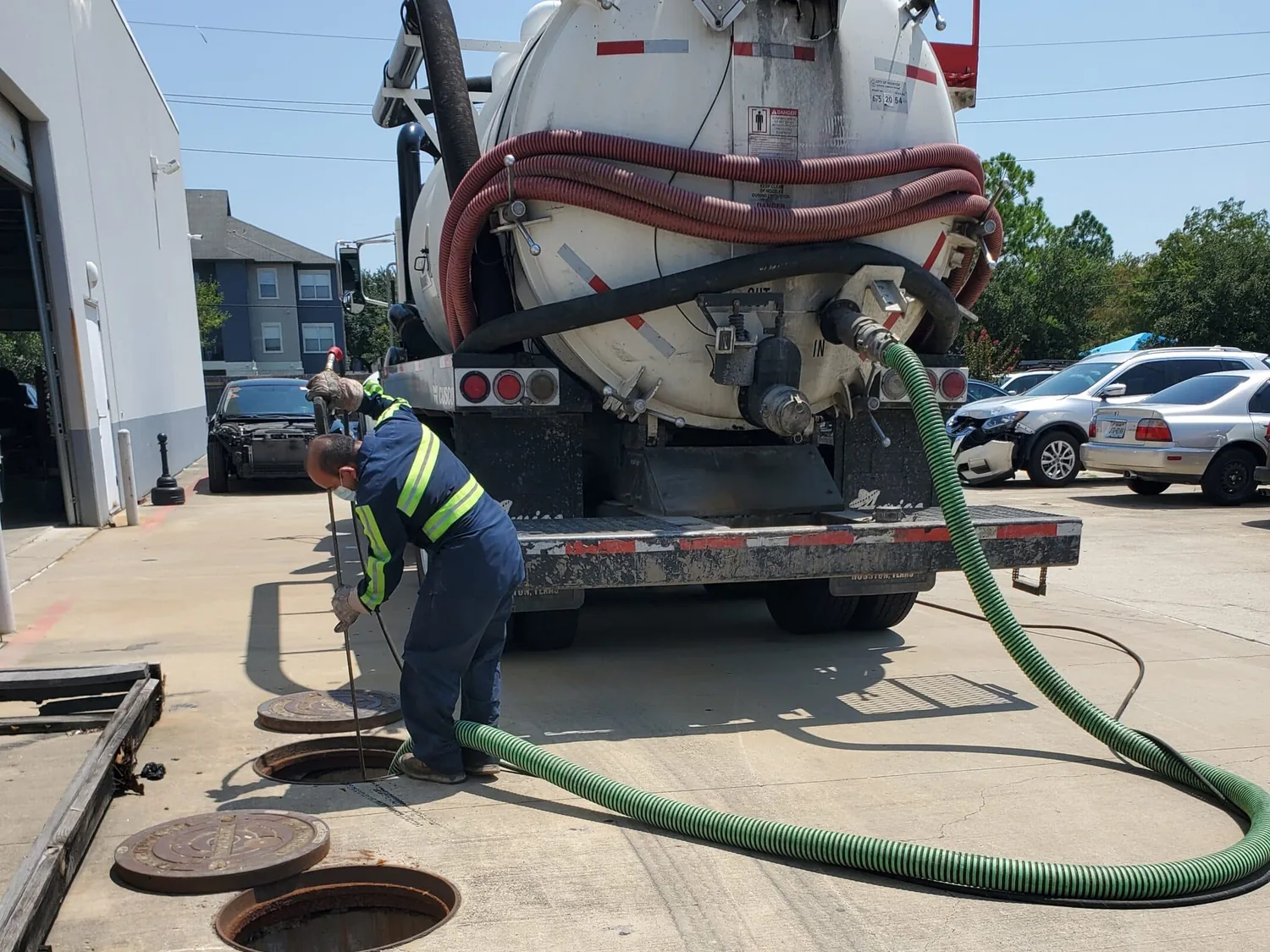
We pump and clean grease traps for restaurants and commercial kitchens. We clean residential grease traps too.
Learn More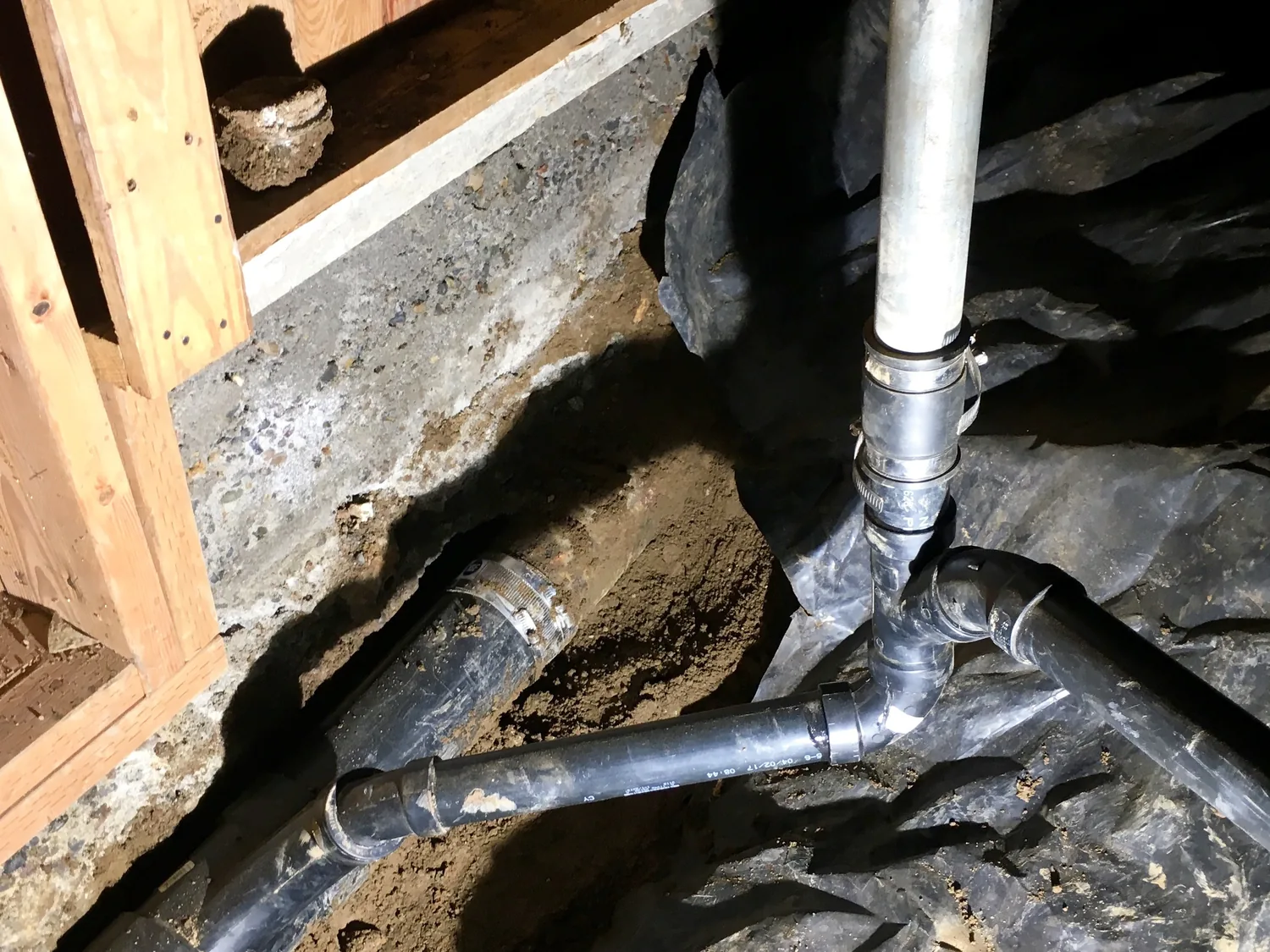
Small plumbing repairs on the septic side of a home, like a line that backs up. Describe the problem when you call or text, and we tell you if it is a job we take.
Learn More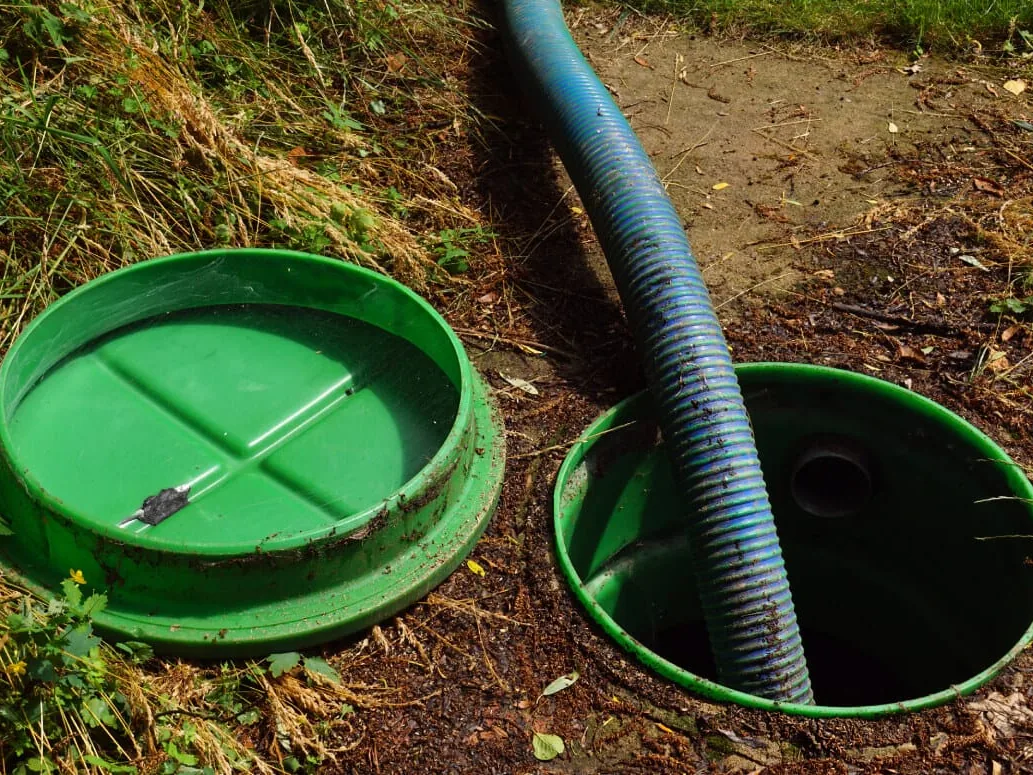
Sewage backing up into the house or a septic tank spilling over in the yard is a call we take. We pump the tank and look for the cause.
Learn More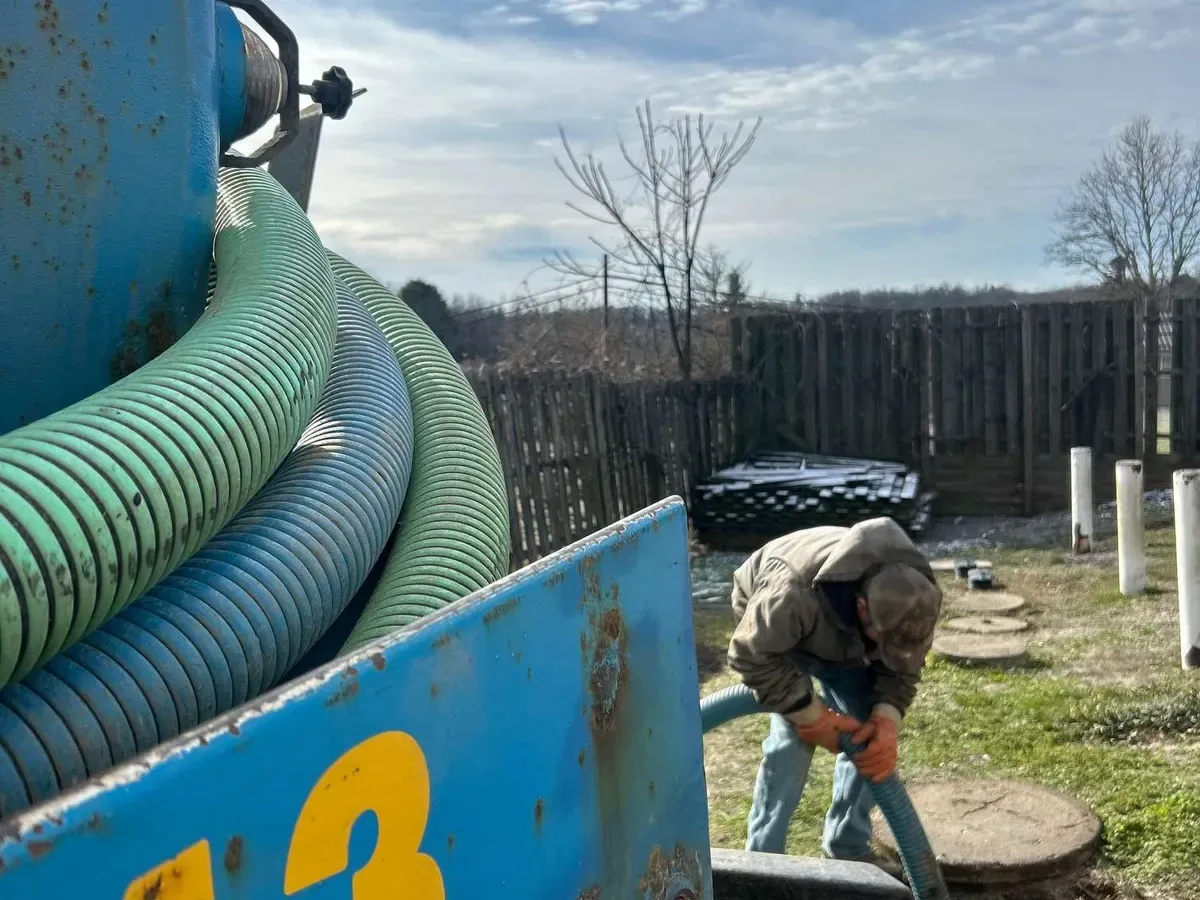
Commercial septic pumping for stores, churches, shops, campgrounds and rental properties. We pump these tanks on a schedule set by how the property is used.
Learn MoreA few of the questions we hear most around Williamson. If yours is not here, call or text and ask.
Tell us where the property is and what the septic system is doing. Call or text (304) 436-3409 or send the form, and we get back to you about the job.
Tell us about the septic tank, line or grease trap and where it is. We look at the job and put the quote in writing.